There are many ways to discover Paros. You can arrive by ferry in Parikia, spend an afternoon wandering through the harbour, and follow the coast towards Naoussa. You can spend your days between beaches and tavernas, watch the sunset over the Aegean, and understand immediately why people fall in love with the island.
But there is another Paros. One that sits inland, among the hills. It is quieter. Slower. More connected to the seasons. This is the Paros we discovered when we chose Lefkes as the home of our agency.
The Former Capital
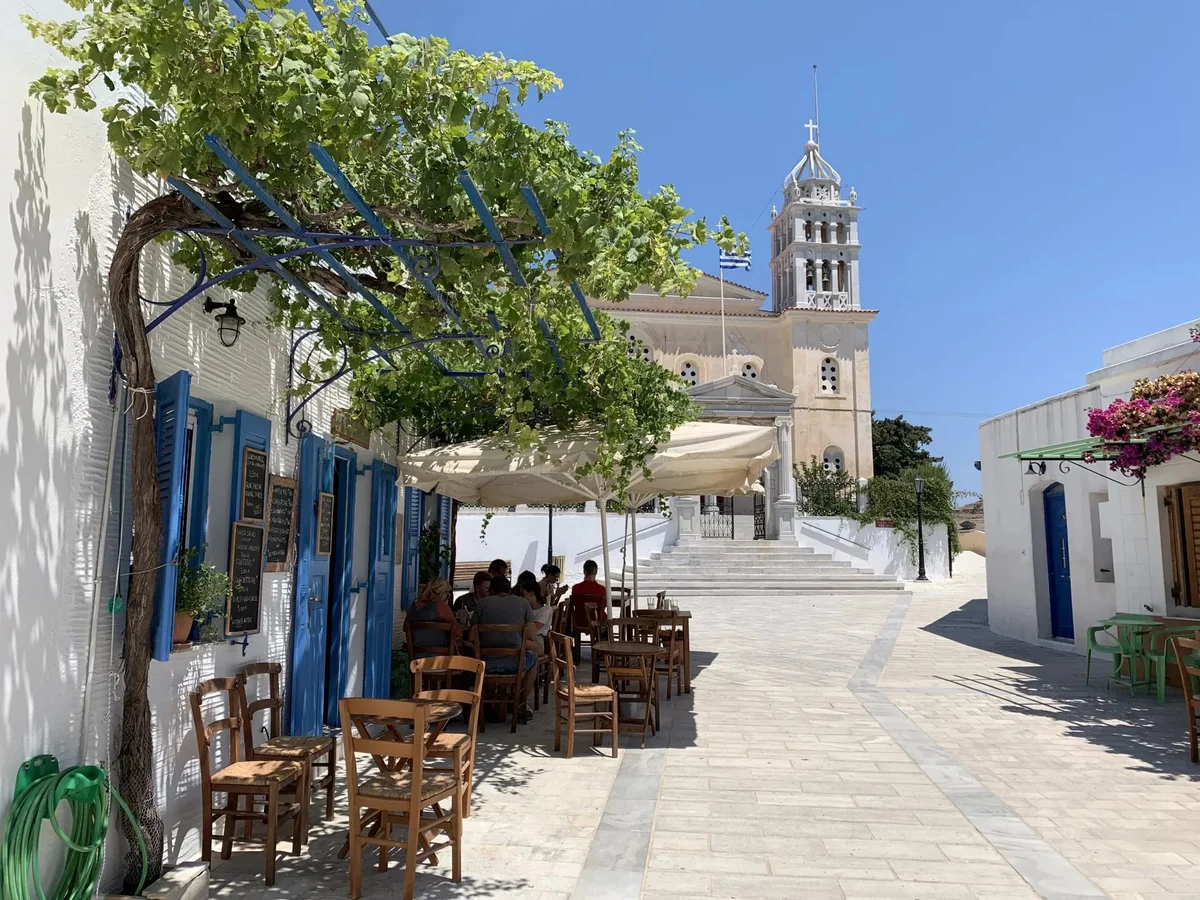
Lefkes was once the capital of Paros. Built inland rather than on the coast, the village offered protection from pirates and a refuge from the winds that sweep across the Aegean. Its position also shaped its architecture. Narrow lanes twist between whitewashed houses. Stone and marble appear beneath layers of white plaster. Doorways open onto small courtyards. Churches and bell towers rise unexpectedly between buildings. Its beauty comes naturally, shaped over generations by the rhythms of everyday life. And that is precisely its charm. Lefkes was built for living.
A Different Rhythm
In summer, Paros can feel almost electric. The island's beaches fill with swimmers. Restaurants come alive late into the evening. Boats move constantly between the harbour and the smaller islands. Lefkes feels different. The village is alive, but never hurried. In the morning, people stop at the bakery. Neighbours exchange news in the shade. A coffee can last an hour. In the evening, families sit outside while the heat slowly leaves the stone streets. Then autumn arrives. The island changes almost overnight. The roads become quieter. The light becomes softer. The landscape turns greener after the first rains. The villages return to their year-round rhythm. This is one of the reasons we wanted our agency to be here. Because knowing Paros means knowing it beyond August.
The Architecture of Everyday Life
One of the things we love most about Lefkes is that its architecture has never been separated from everyday life. The houses were shaped by the climate and by the practical realities of island living. Thick walls helped regulate temperature. Small openings protected interiors from the sun and wind. Courtyards created private outdoor spaces. Stone, lime and local materials were used because they were available. The result was an architecture that was beautiful precisely because it was necessary. Today, these principles continue to influence the best contemporary Cycladic architecture. The most successful new houses often understand that the lesson of traditional architecture is not to copy its appearance. It is to understand why it worked.
Why We Didn't Choose the Obvious Address
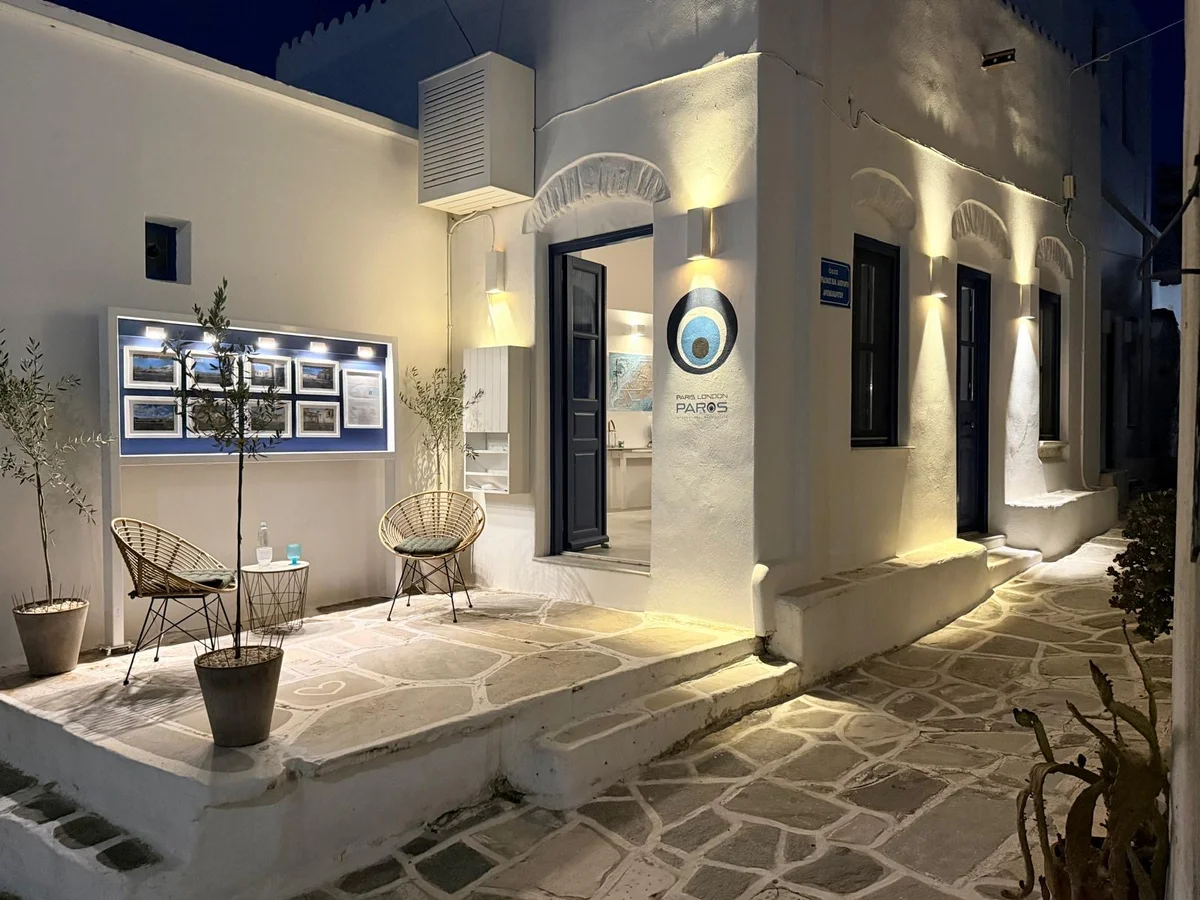
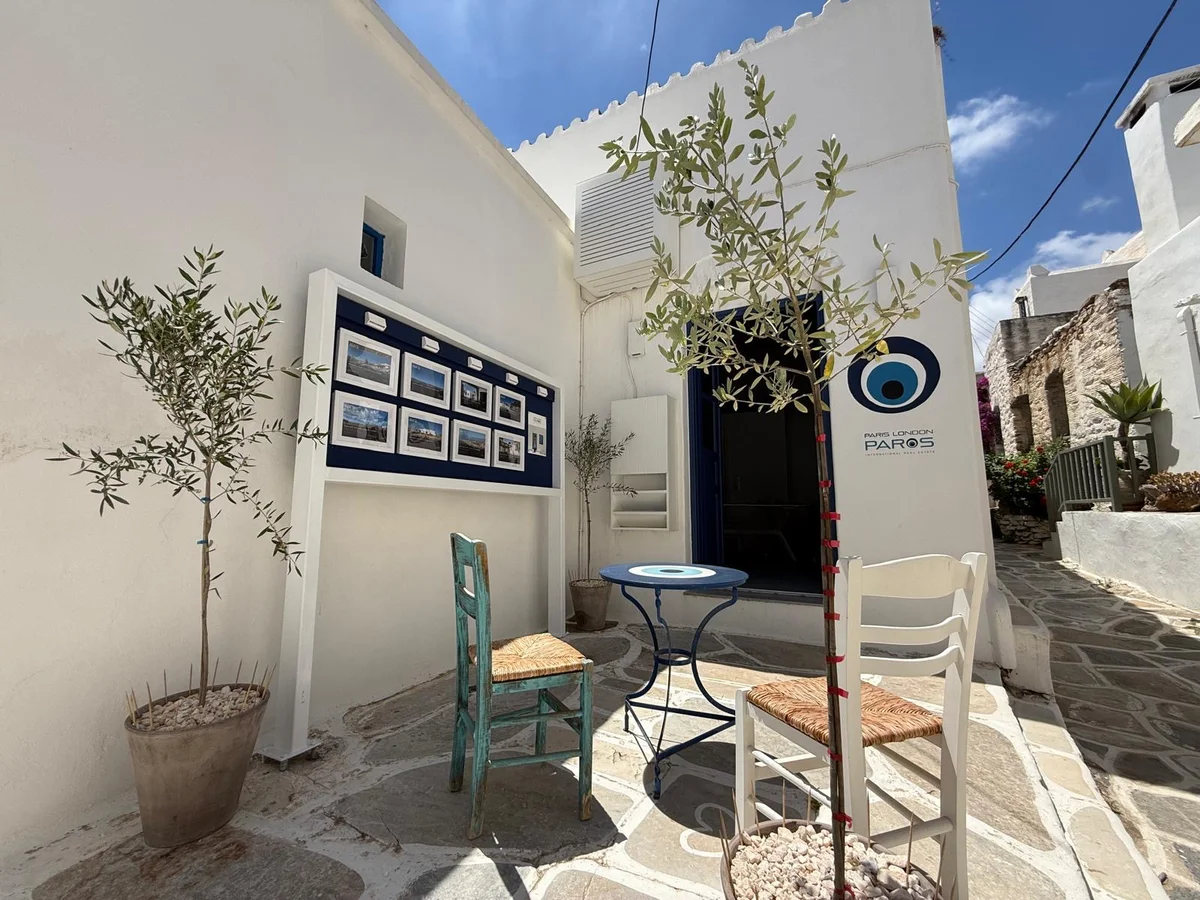
When we established Paris London Paros International Real Estate, we could have chosen a more obvious location. Naoussa would have made sense. So would Parikia. Both are important centres of the island, and both have become international destinations in their own right. But Lefkes felt more aligned with the kind of agency we wanted to build.
We wanted to remain close to the island's everyday life. Close to the people who live here year-round. Close to the landscape. And perhaps most importantly, close to the part of Paros that had first made us want to stay.
Choosing Lefkes was never simply about where to put an office. It was about choosing the kind of relationship we wanted our agency to have with the island.
Living the Island We Represent
Having our agency in Lefkes affects the way we work. It means that our relationship with Paros isn't limited to property viewings and client meetings. Through our work, we experience the island in January. We are here when the first visitors arrive in spring, through the intense rhythm of July and August, and again when the island becomes quiet. We know how a location feels at different times of the year. We understand which villages remain active outside summer. We know how long it actually takes to drive somewhere, rather than relying on a map. We know how the wind affects different parts of the island, where the evening light falls, which roads become difficult after heavy rain. These details rarely appear in a property listing. But they matter enormously when you are deciding where to make a home.
A Village Worth Protecting
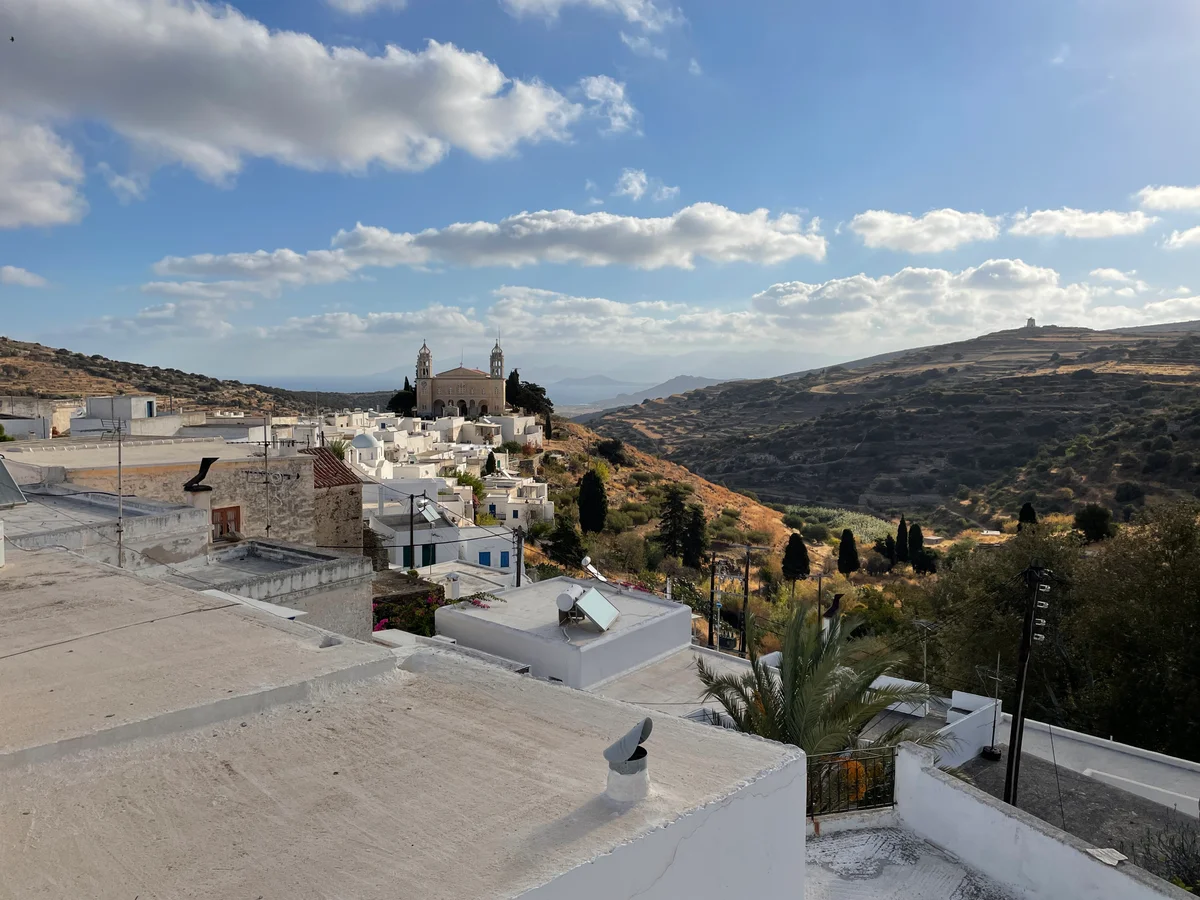
Lefkes also reminds us why preservation matters. The character of a place is not created by individual buildings alone. It comes from the relationship between buildings, streets, landscape, people and everyday life. Once that relationship disappears, it is difficult to recreate. This is one of the reasons our We Love Paros initiative is so important to us. We believe that if our business benefits from the beauty and character of Paros, part of what we earn should return to the island. We dedicate a portion of our agency fees to projects and initiatives that contribute to preserving the natural and cultural qualities that make Paros special. Because we don't want to simply sell the island we love. We want to help protect it.
The Paros We Hope You Discover
There is nothing wrong with discovering Paros through its beaches, restaurants and famous villages. We love those things too. But if you stay a little longer, drive a little further inland and allow yourself to slow down, another island reveals itself. It is found in the sound of church bells in the morning. In the smell of bread from a village bakery. In an old stone wall covered with wildflowers. In a shaded square where three generations of the same family might still meet for coffee. It is found in places that were never designed to become destinations. They simply became homes.
Lefkes is one of those places.
And perhaps that is why it felt like the right place for our agency: a village that remains deeply connected to the island itself, to its people, its landscape and its seasons.
From here, we continue to discover Paros, to represent it, and to help others discover the places that might become meaningful to them too.
Explore homes to call your own in Greece's most desirable locations →